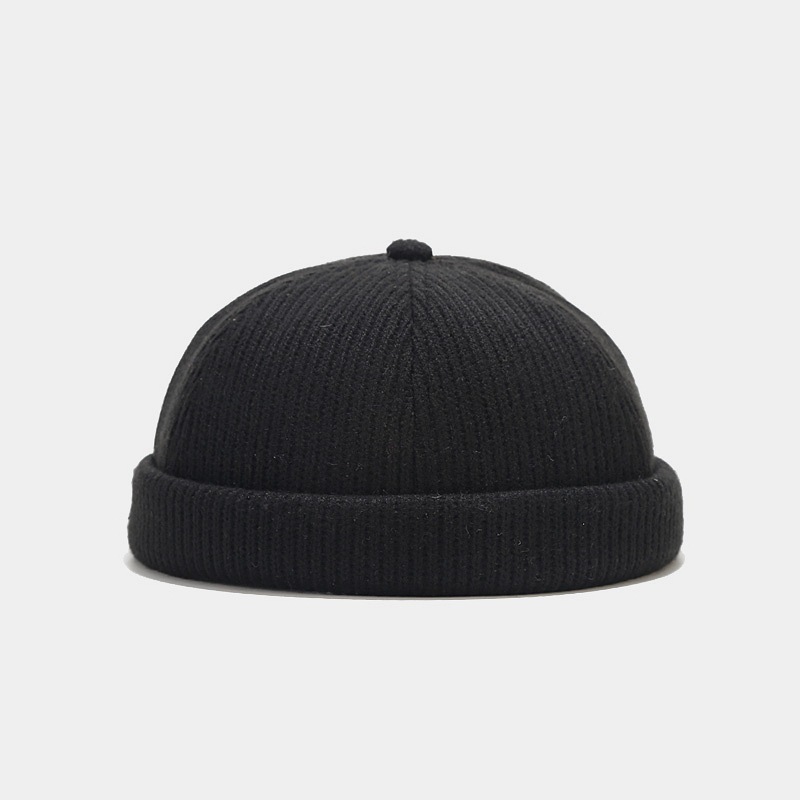
Living in a place where winter truly means freezing temperatures, you understand the struggle. You purchase a hat that appears warm, only to step outside and feel the wind cut straight through it. Your forehead turns to ice, and your ears ache with cold.
This was my routine for years. I assumed all beanies were created equal, continually buying inexpensive options hoping one would finally work. After tracking my spending over the last four winters, I discovered I'd thrown away approximately $150 on hats that eventually landed in the junk drawer or trash.
I wasted money. I wasted time. Most importantly, I sacrificed comfort. I remained cold because I hesitated to invest in the proper product.
I used to select hats based solely on color—if it was black or gray, I bought it. With price tags typically between $10 and $15, this became my first major mistake.
These budget hats are consistently made from thin, low-quality acrylic. Though they appear knitted, they're full of gaps that let cold air seep through. They feel soft in the store, but the moment you start sweating, they become damp and icy. They provide virtually no insulation.
Furthermore, they stretch out quickly. Within a month, they ride up and fail to cover your ears properly, leaving you with painful frozen ears.
I would see online advertisements showing hats that appeared thick, plush, and capable of withstanding blizzards. I purchased based on these professional images.
When the package arrived, the hat was invariably small—typically a "skullcap." While suitable for a crisp autumn day, skullcaps offer no protection in genuine freezing conditions. I needed full coverage that could pull down over my entire ear and slightly onto my neck.
The photographs misrepresented the knit quality. The material was loose and marketed as a "men's winter hat beanie" when it was merely a fashion accessory, not functional gear.
How can you avoid this deceptive marketing?
Step-by-Step Check:
Frequently, I bought hats impulsively right before trips. I rushed my purchases without examining features, simply grabbing whatever was black and soft. Consequently, I never acquired proper gear for freezing conditions.